ELEGOO Glass Fiber PETG Filament Review: Stiffer, Stronger, but Not for Everyone
Clean lines and natural materials that breathe life into every corner.
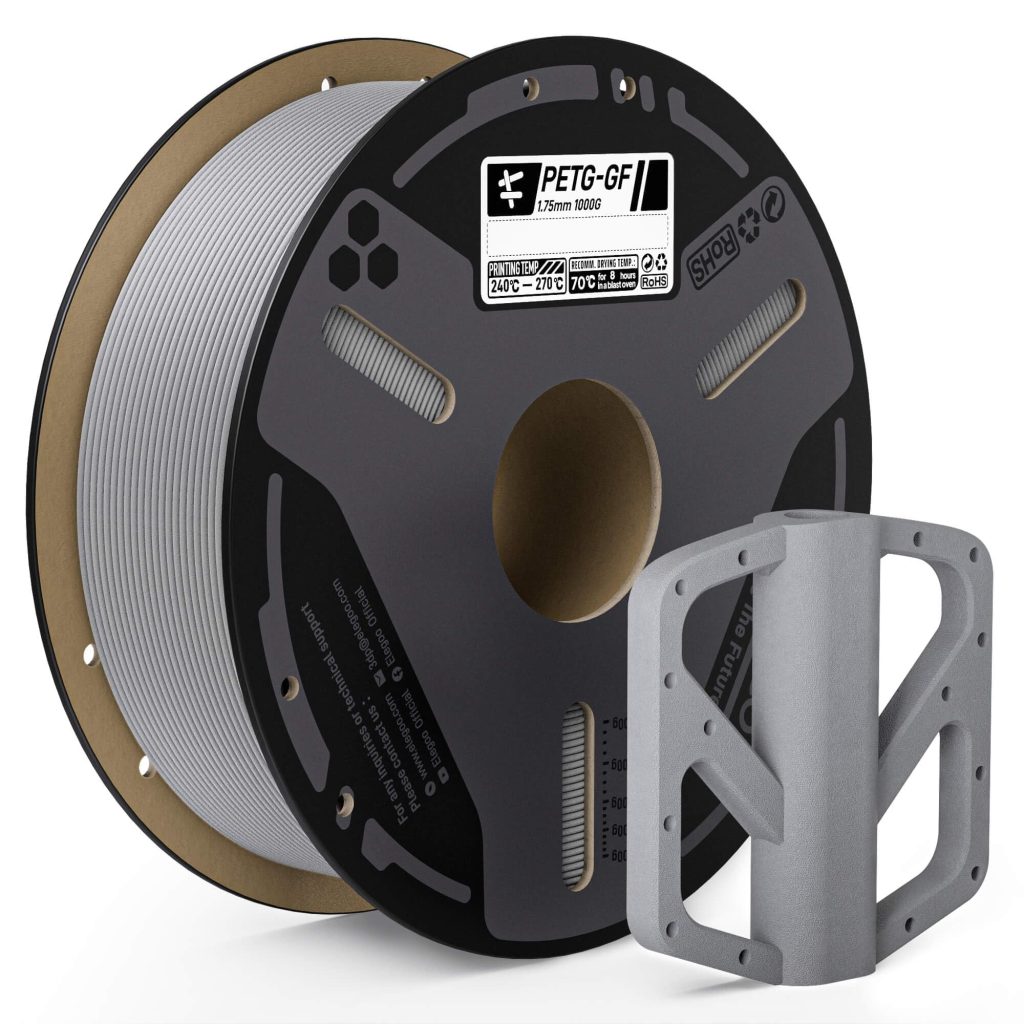
Glass fiber reinforced filaments have been gaining attention among 3D printing enthusiasts who need parts that are more rigid than standard PETG or PLA. The ELEGOO Glass Fiber PETG Filament in 1.75mm gray is one such option, aiming to bridge the gap between standard thermoplastics and more advanced composites. After testing this material across several prints, here is what stands out—both the good and the less ideal.
This filament is not your everyday PETG. The glass fiber content gives it a noticeably higher stiffness, which means parts feel less flexible and more resistant to bending under load. For functional parts like brackets, jigs, or enclosures, this can be a real advantage. The gray color is consistent and matte, hiding layer lines reasonably well. During printing, the material extrudes smoothly through a standard 0.4mm nozzle, though the company recommends using a hardened steel nozzle due to the abrasive nature of the glass fibers. That is an important consideration—standard brass nozzles will wear out faster, so plan accordingly.
One of the key features is its electrical insulation properties. While most users may not need this daily, it does make the filament suitable for custom electronic housings or insulators where dielectric strength matters. Weather resistance is another claimed benefit. In practice, prints left outdoors for a few weeks showed minimal UV degradation or warping compared to plain PETG, which tends to become brittle over time. However, this is not a guarantee for long-term outdoor use without additional coatings—just a noticeable improvement.
Printing with this filament requires some adjustment. Bed adhesion is generally good with a heated bed around 70-80°C and a bit of glue stick or painter’s tape. The recommended nozzle temperature is 230-260°C, but on the higher end, stringing becomes more frequent. Retraction settings need tuning—starting with 3-4mm at 40mm/s worked decently, but each printer behaves differently. The material also has a tendency to absorb moisture faster than standard PETG, so a dry box is almost mandatory for consistent results. Without drying, surface quality suffers noticeably with bubbles and rough spots.
A significant limitation is the brittleness of the finished prints. While the filament is stiffer, it is also more prone to cracking under sudden impact. If you need a part that can flex or absorb shock, this material is not ideal. For example, a snap-fit connector broke during assembly testing, whereas a standard PETG part would have bent slightly. This trade-off is inherent to glass fiber reinforcement—you gain rigidity but lose ductility. Another point: the spool itself is wound neatly, but the filament tends to be more coiled than some competitors, which can cause tangling if not handled carefully.
Comparing this to carbon fiber reinforced filaments, the ELEGOO glass fiber PETG offers a different balance. Carbon fiber filaments are even stiffer but often more expensive and require higher temperatures. Glass fiber PETG is a middle ground—cheaper than carbon fiber blends, easier to print than polycarbonate, but not as strong as nylon composites. For users who have tried standard PETG and want more dimensional stability without moving to advanced materials like PEEK, this is a reasonable step up. However, it is not a replacement for PLA in decorative prints or for ABS in high-heat applications.
Who is this filament for? It suits makers who print functional prototypes, jigs, or parts that need to hold shape under steady loads. Hobbyists building custom electronics enclosures or outdoor fixtures will appreciate the weather resistance. It is also a good option for those who want to experiment with composite filaments without a steep learning curve. On the other hand, it is not suitable for beginners who are still dialing in basic settings, as the moisture sensitivity and nozzle wear add complexity. It is also not for parts that require impact resistance or flexibility—look at TPU or standard PETG for those needs.
In summary, the ELEGOO Glass Fiber PETG Filament delivers on its promise of higher stiffness and weather resistance, but it comes with strings attached—literally and figuratively. The need for a hardened nozzle, careful drying, and tuning retraction are real hurdles. If you are prepared for those, the results can be impressive for specific applications. If you just want easy, reliable prints, stick with standard PETG or PLA.
More Spaces You Might Love
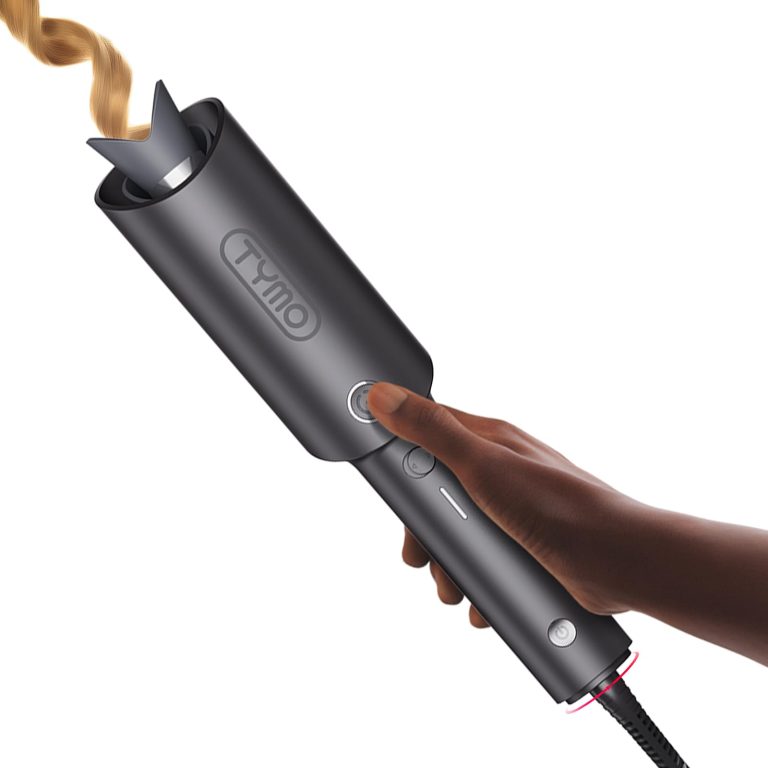
TYMO CURLPRO Review: An Automatic Curling Iron for Loose Beach Waves
Quiet luxury without excess — the art of the perfectly curated corner.
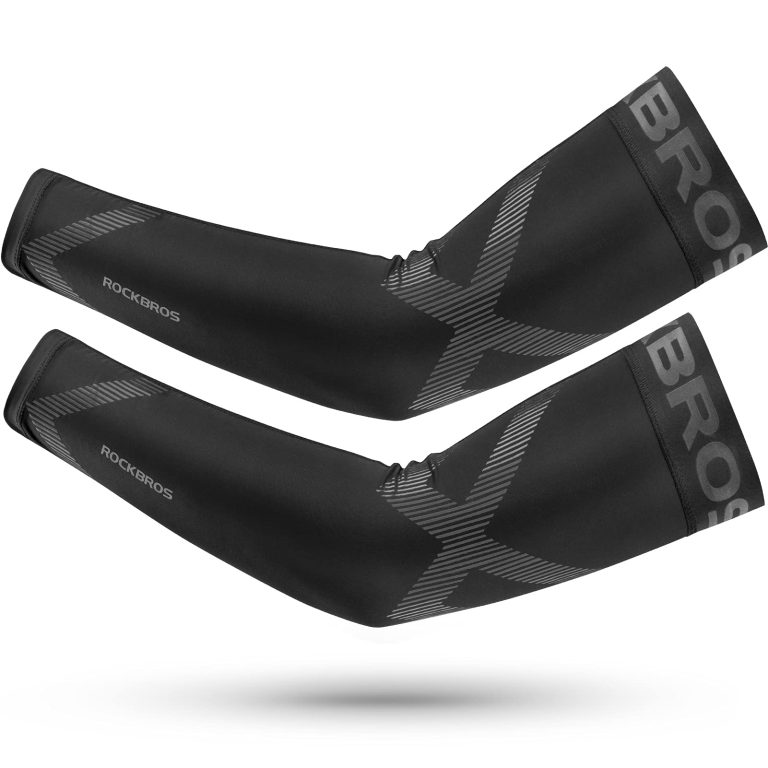
ROCKBROS Arm Sleeves Review: UV Protection and Cooling for Sports and Outdoor Use
Soft lighting, warm textures, and a sense of calm that invites you to slow down.
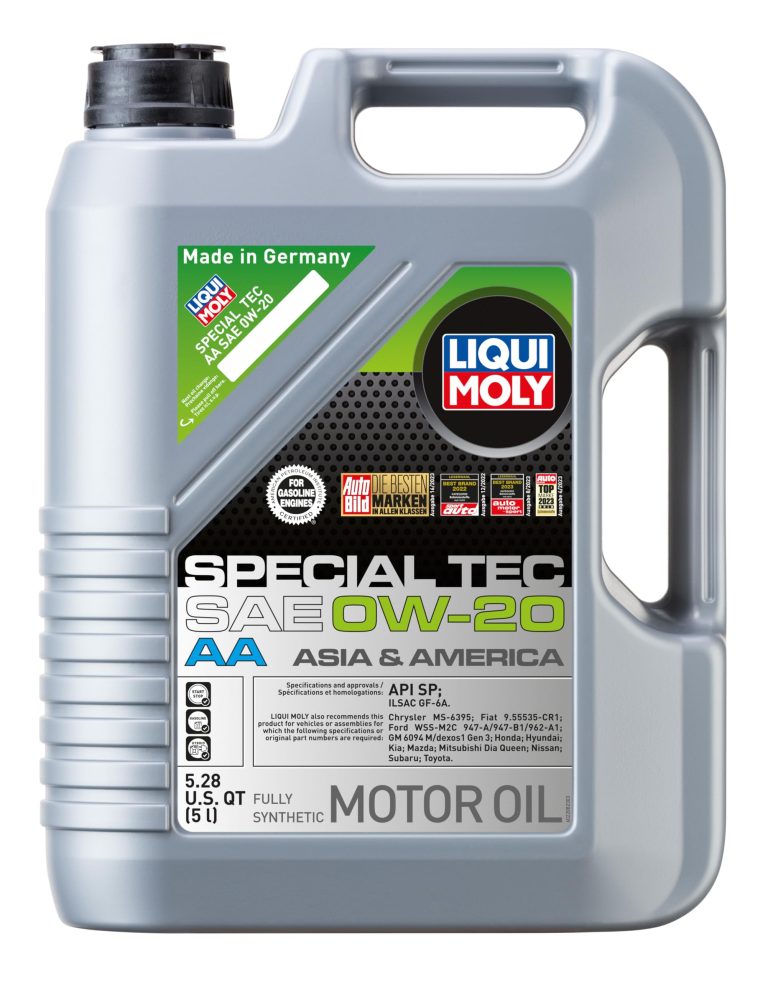
LIQUI MOLY Special Tec AA 0W-20: A solid synthetic oil for modern Asian engines
Warm amber tones and tactile surfaces that make staying in feel like a treat.