Brvclon Manual Bread Slicer Review: A Hands-On Tool for Sourdough Enthusiasts
Grounded in nature, elevated by comfort. A space that restores.
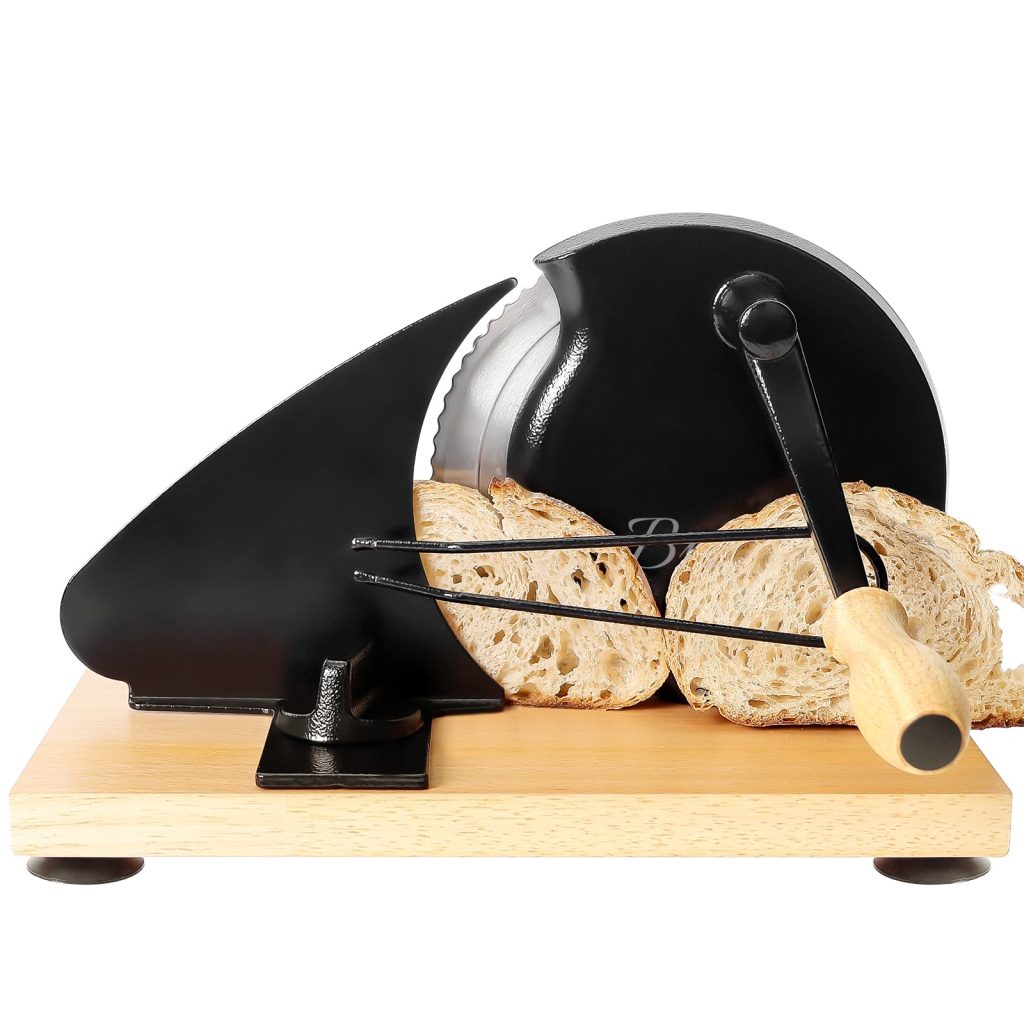
For anyone who bakes bread regularly, especially sourdough, the challenge of getting even slices without a serrated knife and a steady hand is real. The Brvclon Manual Bread Slicer aims to solve that with a hand-crank mechanism and adjustable thickness settings. After testing it over several weeks with various loaf shapes and sizes, here’s what I found.
The slicer feels sturdy out of the box. The frame is made from aluminum alloy, and the base is solid wood with a natural wood veneer finish. It has a slightly industrial look that fits well in a rustic kitchen. The stainless steel blade is sharp and designed to cut through crusty loaves without crushing the crumb. The hand crank operates smoothly, though it does require some physical effort, especially with denser breads like whole wheat sourdough.
One of the key features is the adjustable thickness knob, which lets you set slices from thin (about 1 cm) to thick (around 2.5 cm). This is practical for different uses—thin for toast or sandwiches, thick for dipping in soup or making French toast. The mechanism is simple: you turn the knob, and a guide moves to set the slice width. It works reliably, but the increments are not marked precisely, so you might need a few tries to dial in your preferred thickness.
In real-world use, the Brvclon slicer handles standard boules and batards well, but it struggles with very irregularly shaped loaves or those with a lot of flour on the crust. The loaf must be relatively uniform in shape to sit securely in the cradle. I also noticed that very soft, fresh bread can compress slightly under the blade if you crank too fast. Slowing down and using a steady pace helps, but it’s something to be aware of.
A limitation worth noting is the cleaning process. The blade is not removable, and crumbs can get trapped in the mechanism. You’ll need a brush or compressed air to clean it thoroughly. The wood base also requires occasional oiling to prevent drying or cracking, especially if you live in a dry climate. The slicer is also fairly large, taking up counter space, so it’s not ideal for small kitchens unless you have a dedicated storage spot.
Compared to an electric bread slicer, the Brvclon is quieter, more affordable, and doesn’t require electricity. Electric models often cost three to four times more and can be bulky, but they slice faster with less effort. If you bake a few loaves a week, the manual effort is manageable. For high-volume bakers or those with wrist or hand issues, an electric slicer might be a better choice.
Who is this for? It’s suitable for home bakers who want consistent slices without investing in an expensive electric machine. It works best for those who bake crusty breads like sourdough, rye, or artisan loaves and don’t mind a bit of physical work. It’s also a good option for people who enjoy the hands-on process of bread making and want a tool that feels solid and lasts.
Who might want to skip it? If you bake very soft sandwich breads or gluten-free loaves that crumble easily, this slicer may not give you clean results. Also, if you have limited hand strength or arthritis, the cranking could be tiring. And for those who bake only occasionally, a good serrated knife and a steady hand might be more practical than dedicating counter space to a single-purpose tool.
Overall, the Brvclon Manual Bread Slicer is a functional, well-built tool for specific use cases. It delivers even slices reliably once you get the hang of it, but it has quirks that keep it from being a universal solution. If your baking routine matches its strengths, it’s a worthwhile addition. Just don’t expect it to replace a knife for every loaf.
More Spaces You Might Love
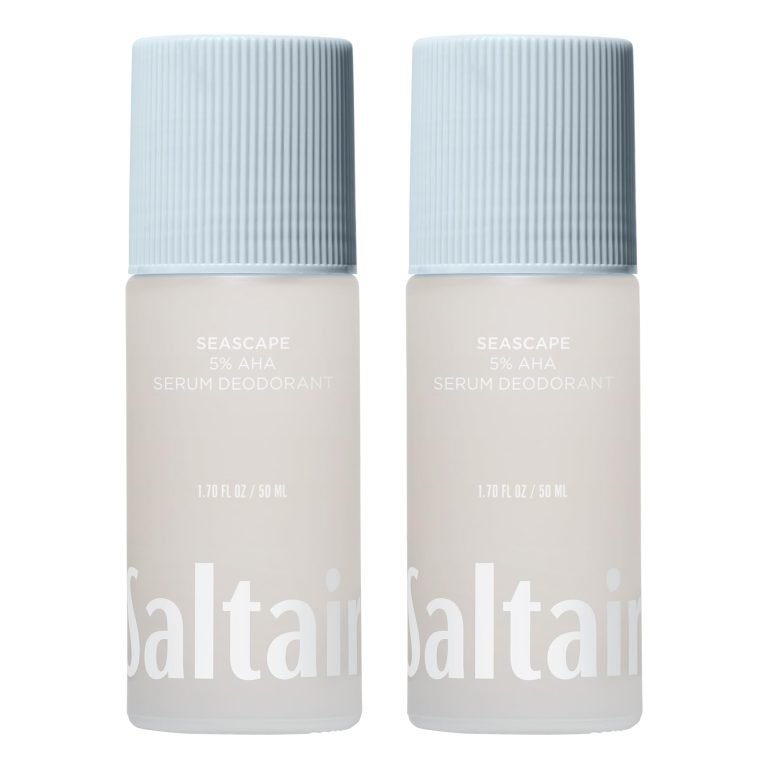
Saltair Serum Deodorant 2 Pack Review: AHA-Based Odor Control with a Seascape Scent
A layered space that feels both intentional and effortlessly lived-in.

JOINPAYA 2Pc Glass Oral Temperature Adult: A Basic Armpit Thermometer for Occasional Use
Grounded in nature, elevated by comfort. A space that restores.
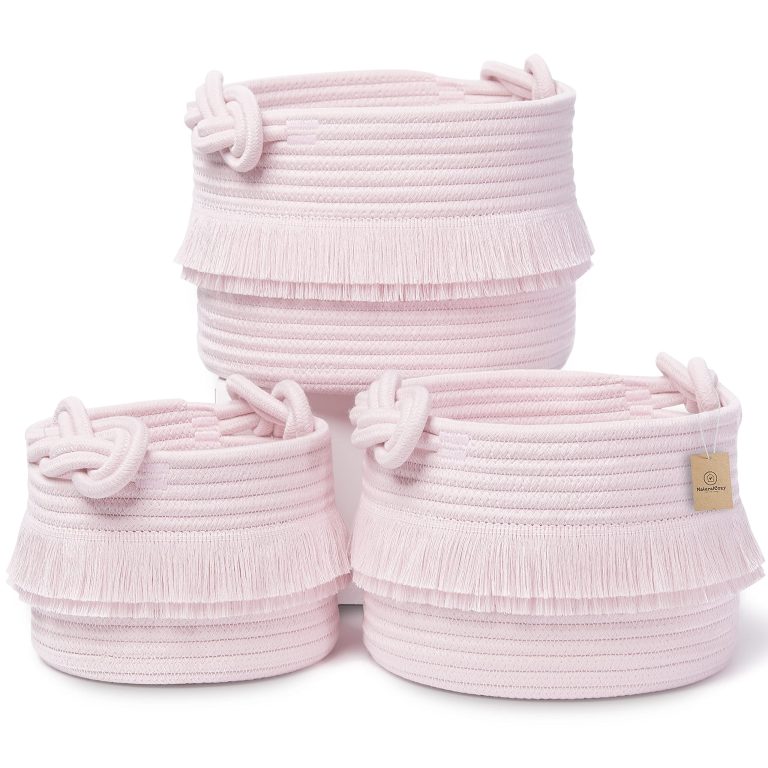
NaturalCozy 3-Piece Pink Cotton Rope Baskets: Decorative Storage for Nursery and Small Spaces
Warm amber tones and tactile surfaces that make staying in feel like a treat.