Pithfor Wooden Baby Walker Review: A Push Toy with Montessori Features for Early Walkers
Clean lines and natural materials that breathe life into every corner.
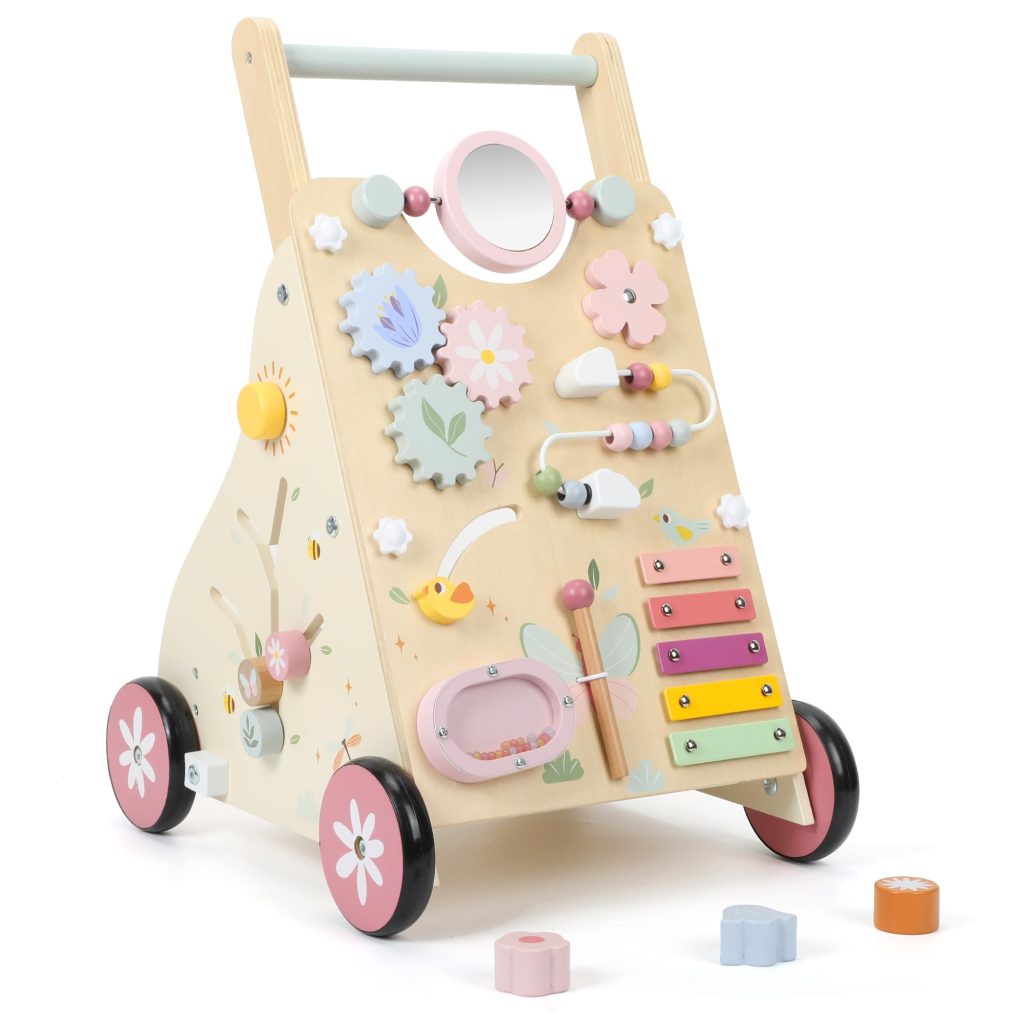
The Pithfor Wooden Baby Walker is a push toy designed for infants transitioning from sitting to standing and taking their first steps. It combines a traditional walker with a sensory activity center, aiming to support motor skill development through play. After spending time observing how this product functions in a home setting, it offers a mixed but generally practical experience for caregivers and toddlers.
One of the first things to note is its construction. The walker is made from wood, which gives it a sturdy feel compared to some plastic alternatives. The wheels have rubber rings that provide some resistance, so it doesn’t roll away too quickly—a common issue with lighter push toys. This makes it reasonably stable on hard floors and low-pile carpets, though it can still tip if the child pushes at an angle or over a threshold. The handle is at a comfortable height for most 9- to 18-month-olds, and the base is wide enough to prevent frequent toppling.
The activity center on the front includes several Montessori-style elements: spinning gears, sliding beads, a small mirror, and a shape sorter. These are engaging for short periods, but they are not particularly complex. The shape sorter has only three basic shapes, and the beads are fixed on wires, so there is limited challenge for older toddlers. However, for a child just learning to stand and push, these features provide enough distraction to encourage them to stay upright and move forward.
In real-world use, this walker works best as a support tool for early walking, not as a primary mobility device. It encourages the sit-to-stand motion, and many children will take a few steps while holding it before letting go. The sensory elements are most useful during supervised play, as they can keep a child occupied for a few minutes while they practice standing. That said, the activity center is not removable, so once the child outgrows the walker stage—usually around 18 months—the toy loses much of its appeal. At that point, it becomes a bulky wooden item that takes up floor space.
A notable limitation is the lack of adjustable height or a braking mechanism. Unlike some plastic walkers that offer speed control or locking wheels, this one relies entirely on the rubber rings for friction. On smooth surfaces like tile or hardwood, it can still move faster than a new walker can manage, leading to occasional falls. Caregivers should always supervise use, especially on uncarpeted floors. Additionally, the wooden construction, while durable, means it is heavier than many plastic alternatives. Some younger children may struggle to push it from a standstill, though this also helps build strength over time.
Compared to a typical plastic push walker with electronic sounds and lights, the Pithfor is quieter and more visually understated. It does not require batteries, which is a plus for parents who prefer low-stimulation toys. However, it lacks the interactive feedback that some children respond to. If your child is motivated by music or flashing lights, this wooden walker may not hold their attention as long. For families who prioritize natural materials and open-ended play, it is a better fit than a battery-operated alternative.
Who is this product suitable for? It works well for children aged 9 to 15 months who are beginning to pull up and take supported steps. It is also a good choice for parents who want a wooden, non-electronic toy that blends walking practice with simple sensory play. It is less suitable for children who are already walking confidently, as the activity center will quickly become too basic. It is also not ideal for homes with only hardwood or tile floors unless caregivers are comfortable with close supervision to prevent speed-related tumbles.
Overall, the Pithfor Wooden Baby Walker is a functional, reasonably well-made push toy that does what it sets out to do. It is not a revolutionary product, but it fills a specific niche for early walkers who benefit from a stable, engaging support. The sensory features add value, though they are not as extensive as some dedicated activity centers. If you are looking for a simple, durable walker that encourages standing and first steps without electronic distractions, this is worth considering. Just keep in mind that its usefulness is limited to a relatively short developmental window.
More Spaces You Might Love
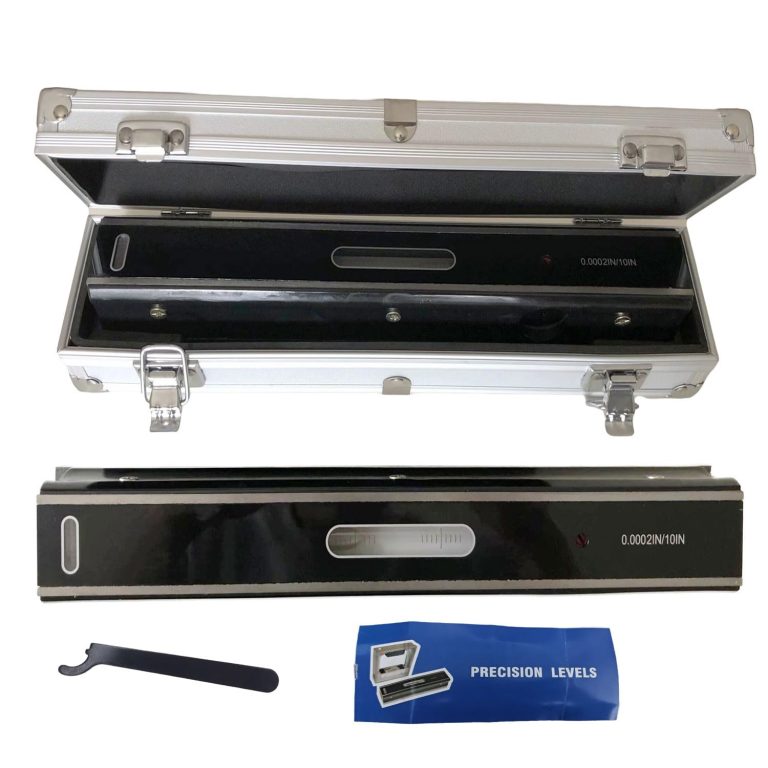
12-Inch Master Precision Level Review: A Machinist’s Tool for Checking Flatness and Alignment
Clean lines and natural materials that breathe life into every corner.
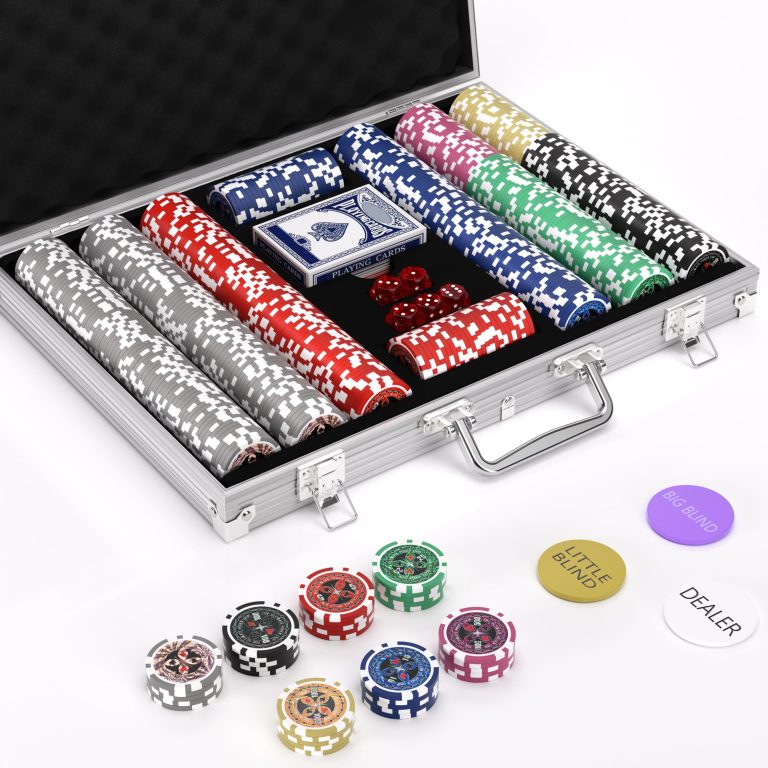
Texas Holdem Poker Chips Set 500-Piece Review: A Decent Budget Option for Home Games
Soft lighting, warm textures, and a sense of calm that invites you to slow down.
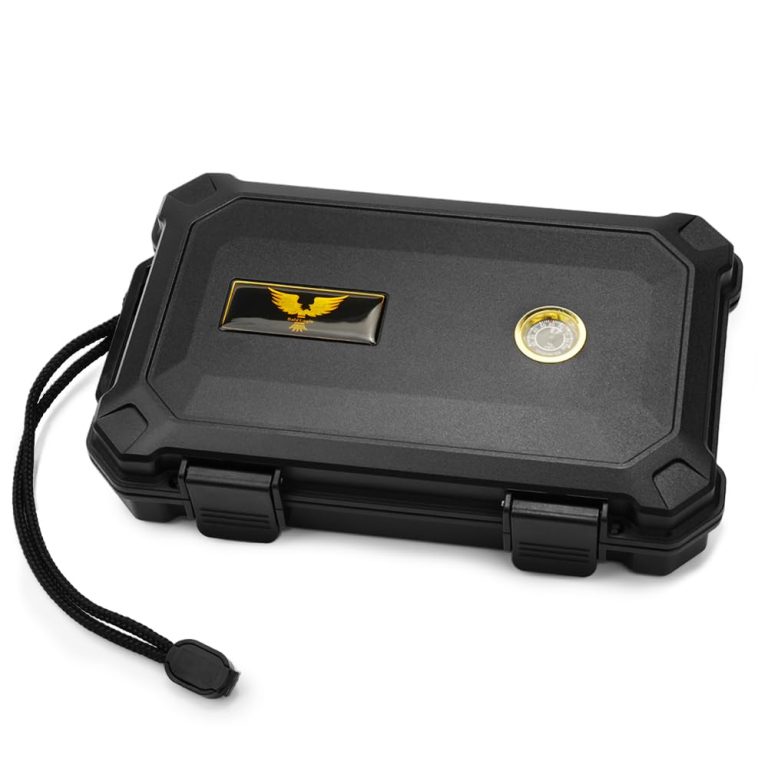
Bald Eagle 5-Cigar Travel Humidor: A Portable Case That Keeps Things Simple
Soft lighting, warm textures, and a sense of calm that invites you to slow down.