Aqara Zigbee Presence Sensor FP1E Review: mmWave Radar for Motion Detection
Quiet luxury without excess — the art of the perfectly curated corner.
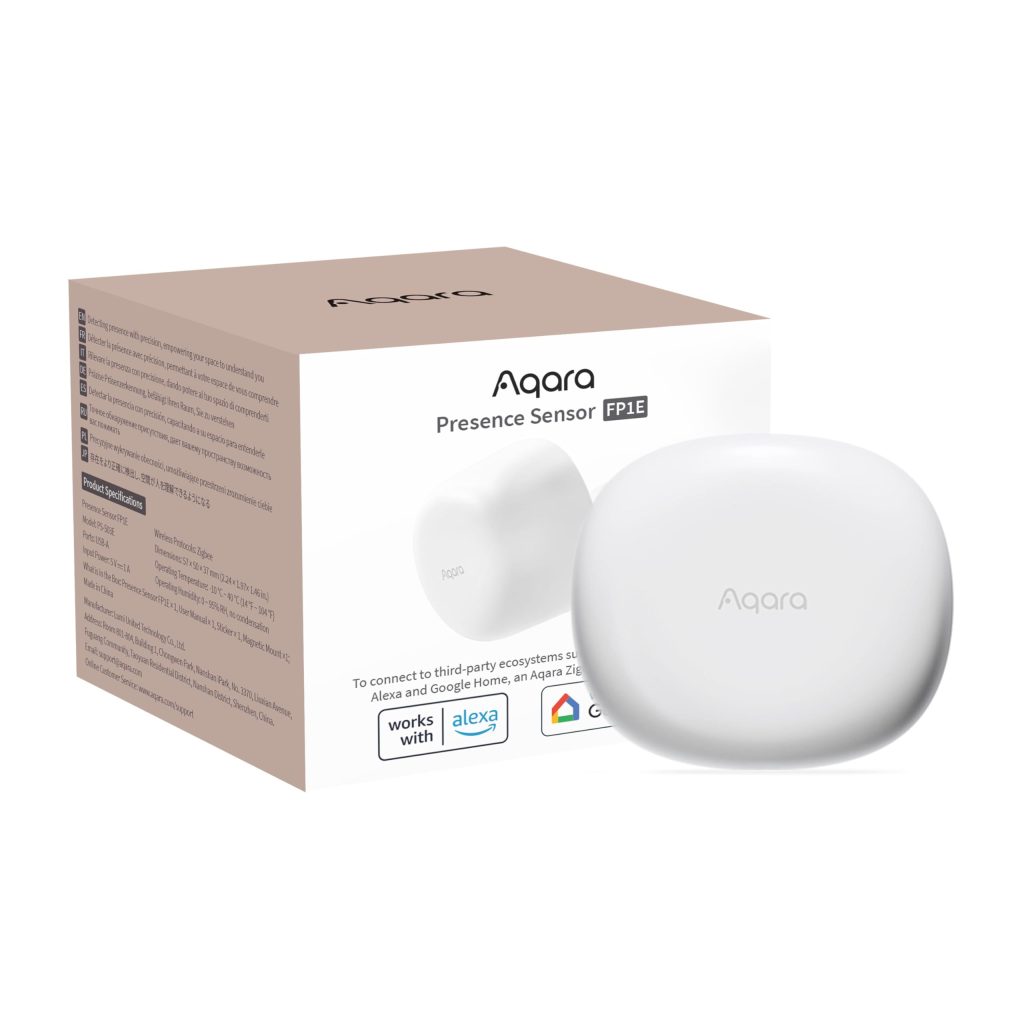
The Aqara Zigbee Presence Sensor FP1E is a wired motion detector that uses mmWave radar technology to detect presence, not just movement. Unlike standard passive infrared (PIR) sensors, which only pick up large motions like walking, this sensor can detect subtle movements—like someone sitting still at a desk or lying in bed. It’s designed to work within the Aqara smart home ecosystem, connecting via Zigbee to hubs like the Aqara Hub M2 or M1S.
In real-world use, the FP1E shines in scenarios where you need to know if a room is actually occupied, not just if someone walked through it. For example, in a home office, it can keep the lights on while you’re typing or reading, and turn them off only after you’ve left for a few minutes. Similarly, in a bedroom, it can detect if you’re still in bed in the morning, preventing lights from turning on automatically. The sensor covers an area up to about 8 meters by 6 meters, with a 120-degree field of view, which is sufficient for most standard rooms.
Key functional features include adjustable sensitivity and detection zones, which you can configure through the Aqara app. You can set multiple zones to ignore certain areas, like a pet bed or a fan, to reduce false triggers. The sensor also supports a “away” mode that can trigger automations when no presence is detected for a set period. Installation involves hardwiring it to a power source—it requires a 5V USB connection (adapter not included)—and mounting it on a wall or ceiling. The wired design ensures reliable power, but it also limits placement flexibility compared to battery-powered options.
However, there are trade-offs. The FP1E is not ideal for open-plan spaces or large rooms beyond its coverage range. In a living room with multiple seating areas, you might need more than one sensor to cover all zones. Also, mmWave radar can be affected by certain materials, like metal or thick walls, which may cause blind spots. I noticed occasional false positives from nearby electronics or moving curtains in a draft. The sensor also requires a Zigbee hub to function, which adds cost if you’re not already in the Aqara ecosystem. Setup via the app is straightforward, but the initial pairing process can be finicky—sometimes the sensor doesn’t show up immediately and requires a restart.
Compared to traditional PIR sensors, the FP1E offers a clear advantage for presence detection. A standard PIR sensor might turn off lights if you sit still for 10 minutes, while the FP1E keeps them on. That said, it’s not a replacement for a security alarm system—its detection range and sensitivity are tuned for indoor home automation, not for detecting intruders from afar. For that, a dedicated security sensor with a wider range and tamper alerts would be more appropriate.
- Who it’s for: Homeowners or renters who want precise presence detection for automation—especially in rooms where people sit still, like home offices, bedrooms, or reading nooks. It’s also good for those already using Aqara hubs and looking to expand their setup.
- Who it’s not for: People who prefer battery-powered sensors for easy placement, or those with large, open floor plans that require multiple sensors for full coverage. Also, if you don’t have a Zigbee hub or are unwilling to buy one, this sensor won’t work out of the box.
Overall, the Aqara FP1E is a capable presence sensor that does what it promises, but it’s not without quirks. It works best in smaller, defined spaces where consistent power is available. If you’re looking to upgrade from basic motion detection to true presence sensing, it’s a solid choice—just be prepared for the wired installation and occasional calibration tweaks.
More Spaces You Might Love
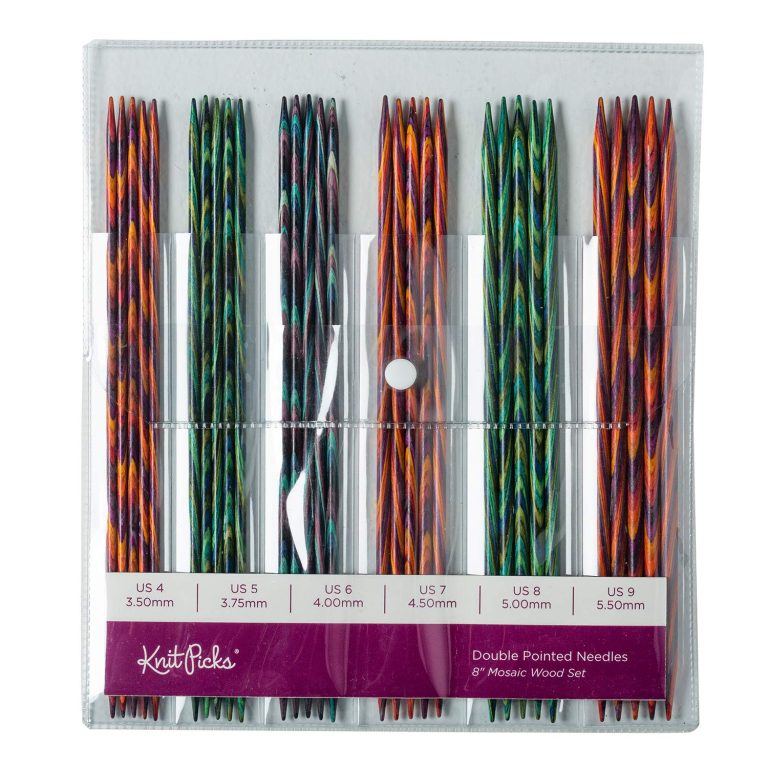
Knit Picks Mosaic 8″ Double Pointed Needle Set: A Solid Choice for Small-Diameter Knitting
Soft lighting, warm textures, and a sense of calm that invites you to slow down.
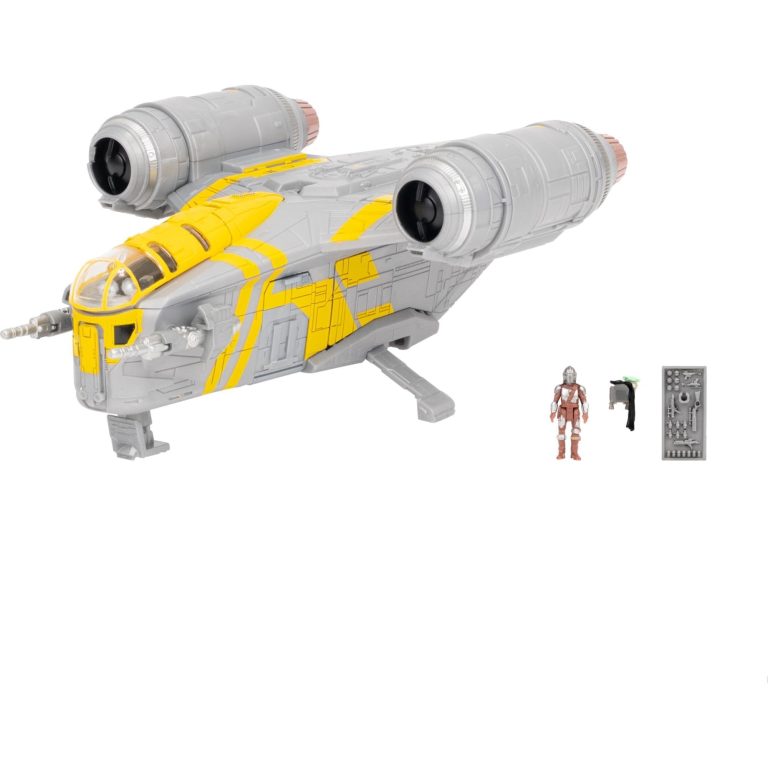
Star Wars Micro Galaxy Squadron Razor Crest: A Detailed Look at the 7-Inch Vehicle and Micro Figure
Soft lighting, warm textures, and a sense of calm that invites you to slow down.
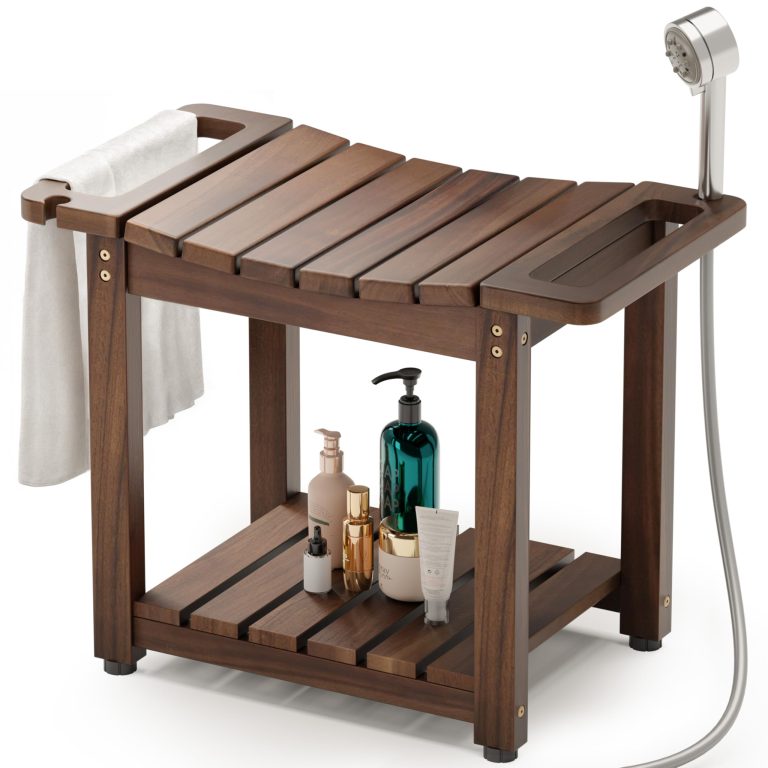
BLUEWEST Shower Bench with Storage: A Practical Seating Option for Wet Spaces
Clean lines and natural materials that breathe life into every corner.