Raw Essentials Pink Modern Curing Salt No. 1: A 19-Ounce Bottle for Home Curing and Sausage Making
Quiet luxury without excess — the art of the perfectly curated corner.
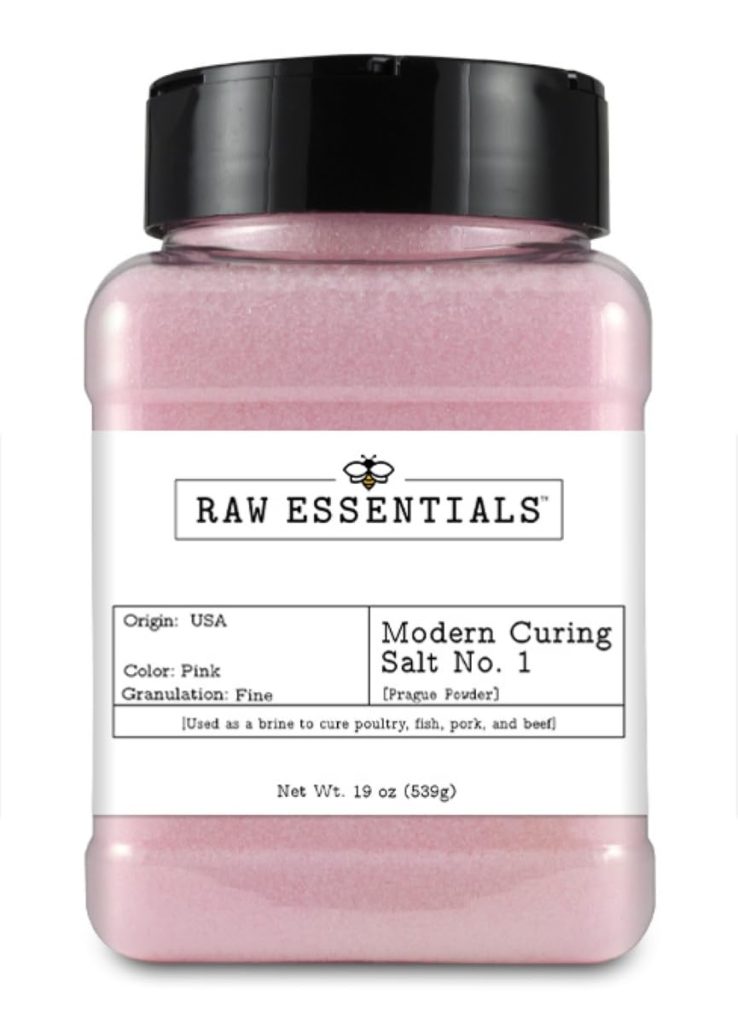
If you’ve ever tried curing your own bacon, corned beef, or sausages at home, you know that precision matters. Curing salts aren’t just a fancy ingredient—they’re essential for food safety and achieving that characteristic pink color and flavor in cured meats. Raw Essentials Pink Modern Curing Salt No. 1 comes in a 19-ounce bottle, which is a substantial quantity for someone who cures regularly but might be overkill for the occasional experimenter.
This product is a blend of salt (sodium chloride) and sodium nitrite, typically at a 93.75% to 6.25% ratio, which is standard for Prague Powder #1 or InstaCure No. 1. It’s used for wet brines, dry rubs, and sausage mixes where the meat will be cooked and eaten relatively soon—like bacon, ham, or smoked fish. The pink dye is added to avoid confusion with table salt, which is a nice safety touch, though the color is more of a pale pink than a bright one.
In real-world use, this curing salt dissolves reasonably well in water for brines, though you might notice a few small granules settling at the bottom if you don’t stir thoroughly. For dry applications, like rubbing into pork belly for bacon, it mixes evenly with other spices if you take the time to combine it well. The 19-ounce bottle is convenient because it comes with a resealable lid, but the opening is narrow enough that you might need a funnel to pour it into smaller containers without spilling.
- Key features: Standard sodium nitrite blend (6.25% nitrite), pink dye for safety, 19-ounce bottle with a twist-off cap. Works for both wet and dry curing methods.
- Limitation: The bottle doesn’t include a measuring spoon or any dosage guide printed on the label—you’ll need to rely on a separate scale or recipe. The instructions are minimal, so beginners might want to double-check ratios online.
Compared to generic supermarket curing salts or even Morton’s Tender Quick, Raw Essentials is more specialized. Tender Quick, for example, contains both nitrite and nitrate, which is designed for longer cures like country ham. This No. 1 salt is strictly for short-term cures that are cooked before eating. If you’re making dry-cured salami or prosciutto, you’d need a No. 2 salt instead. So, this product is not a one-size-fits-all solution.
One trade-off worth noting: the pink salt can be a bit dusty when poured, so it’s a good idea to use it in a well-ventilated area or wear a mask if you’re sensitive to fine particles. Also, because it’s a pure nitrite blend, you must measure it carefully—too much can make meat taste metallic or even be unsafe, though the concentration is low enough that it’s difficult to overdose if you follow standard recipes (like 1 teaspoon per 5 pounds of meat).
Who is this for? It’s suitable for home cooks who cure meat several times a year—maybe making bacon from pork belly, smoking trout, or crafting sausages. The 19-ounce size will last for many batches if stored in a cool, dark place (the bottle is opaque, which helps). It’s also good for small-scale charcuterie enthusiasts who want a reliable, consistent product.
Who might not need it? If you only cure meat once or twice a year, a smaller 4-ounce bottle would be more practical—this larger container could sit around for years, and while curing salts have a long shelf life, they can absorb moisture over time if not sealed tightly. Also, if you’re new to curing, the lack of clear instructions on the bottle might be frustrating; you’d need to research proper usage separately.
Overall, Raw Essentials Pink Modern Curing Salt No. 1 does what it’s supposed to do without any frills. It’s not a revolutionary product—it’s just a standard curing salt in a larger bottle. The quality is fine, and the price per ounce is reasonable compared to smaller packages. Just be aware that you’re paying for bulk, not for convenience or extra guidance. For regular curers, it’s a solid choice. For occasional users, consider a smaller quantity to avoid waste.
More Spaces You Might Love

Yiakikio Tiger Derpy Plush: A Quirky Throw Pillow for Sofa or Bed Decor
Soft lighting, warm textures, and a sense of calm that invites you to slow down.
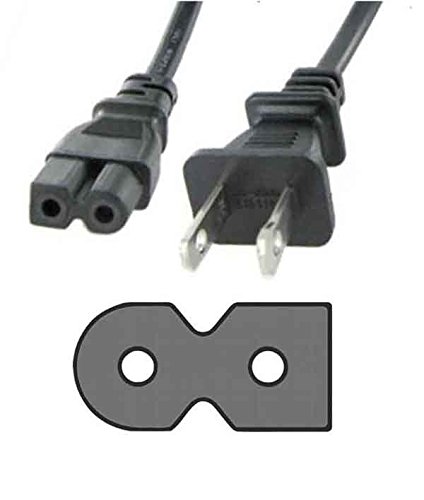
PlatinumPower AC Power Cord for Panasonic Technics Systems: A Functional Replacement Cable for Older Stereo Gear
Clean lines and natural materials that breathe life into every corner.

ZELUS Aerial Yoga Swing Sling Kit: A Practical Hammock for Home Inversion and Stretching
Quiet luxury without excess — the art of the perfectly curated corner.