Lalvin 71B 1122 Wine Yeast 10-Pack: A Reliable Choice for Sweet and Fruity Fermentations
A retreat from the ordinary — every element has a purpose and a feeling.
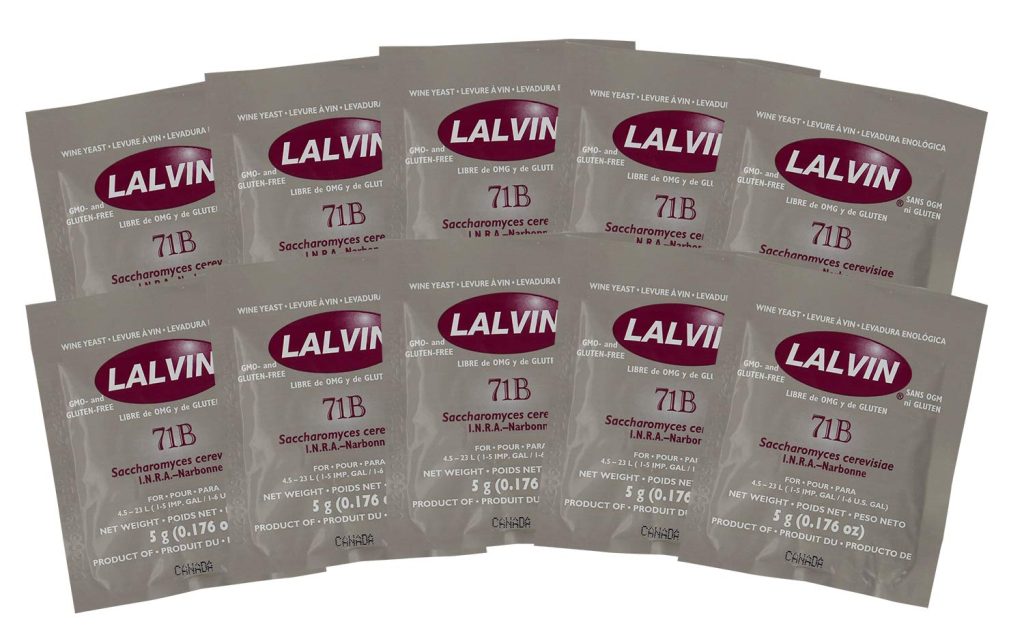
For home winemakers and cider enthusiasts, selecting the right yeast strain is as important as choosing the fruit itself. The Lalvin 71B 1122 yeast, sold in a 10-pack of 5-gram sachets, is a well-known option for those aiming to produce wines with a softer, fruit-forward profile. This review looks at how it performs in real-world use, its strengths, and where it might not be the best fit.
In practice, this yeast is often used for white wines like Riesling, Sauvignon Blanc, and Muscat, as well as for country wines and ciders where preserving fruity aromas is a priority. The 71B strain is known for its ability to metabolize malic acid, which naturally reduces acidity during fermentation. This can result in a rounder, smoother mouthfeel compared to other strains. For someone making a tart apple cider or a high-acid wine, this can be a useful tool to balance flavors without needing chemical adjustments.
Key functional features include a moderate alcohol tolerance of around 14% ABV, which makes it suitable for most table wines but not for high-alcohol dessert wines. It has a relatively fast fermentation rate and a temperature range between 15°C and 30°C (59°F to 86°F), giving flexibility for different ambient conditions. The 10-pack provides a good supply for multiple batches, with each sachet enough for 5–6 gallons of must. Rehydration is recommended before pitching, following standard yeast handling practices.
One limitation worth noting is its moderate alcohol tolerance. If you are aiming for a wine above 14% ABV, like a fortified style or a big Zinfandel, this strain will struggle to finish fermentation, potentially leaving residual sweetness or stuck fermentation. Additionally, the malic acid reduction can be a drawback for styles where crisp acidity is desired, such as certain ciders or Sauvignon Blancs that rely on tartness for character. In those cases, the yeast may soften the wine more than intended.
Compared to generic baking yeast or unlabeled wine yeast, the Lalvin 71B offers predictability and consistency. Baking yeast can produce off-flavors and unpredictable alcohol levels, while this strain is purpose-bred for wine and cider. A common alternative is Lalvin EC-1118, which has a higher alcohol tolerance (up to 18% ABV) and a neutral flavor profile. EC-1118 is better for fermenting to dryness in high-sugar musts, but it does not enhance fruity esters or reduce acidity. The choice between them depends on the desired outcome: 71B for fruit-forward, lower-acid wines, and EC-1118 for neutral, high-alcohol ferments.
Who this product is for: Home winemakers making white or blush wines, especially those using high-acid fruits like apples, rhubarb, or certain grapes. It is also a good fit for those who want to simplify acid adjustment by relying on yeast metabolism. Cider makers aiming for a softer, less sharp final product may find it useful.
Who it is not suitable for: Those producing high-alcohol wines above 14% ABV, or styles that require high acidity and crispness, such as traditional dry ciders or some Sauvignon Blancs. It is also not ideal for fermenting at very cool temperatures below 15°C, as it may stall or produce sluggish fermentation.
In summary, the Lalvin 71B 1122 10-pack is a solid, dependable option for specific winemaking goals. It does its job without fanfare, but understanding its limitations is key to getting the results you want. It is not a one-size-fits-all solution, but for the right project, it can be a valuable addition to your fermentation toolkit.
More Spaces You Might Love
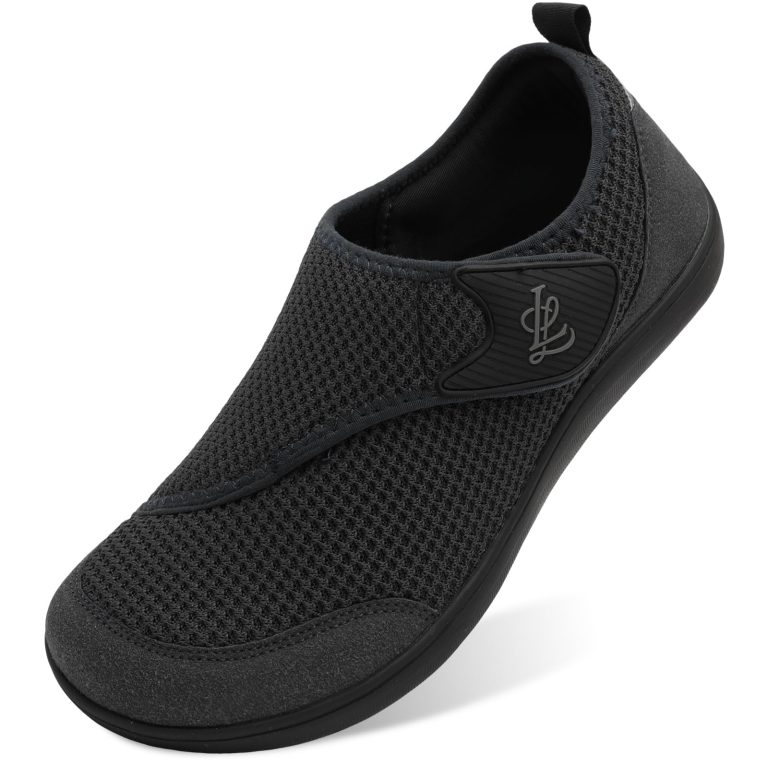
LeIsfIt Men’s Wide Diabetic Shoes: A Practical Look at Adjustable Barefoot Walking Shoes for Swollen Feet
A retreat from the ordinary — every element has a purpose and a feeling.

Yiakikio Tiger Derpy Plush: A Quirky Throw Pillow for Sofa or Bed Decor
Soft lighting, warm textures, and a sense of calm that invites you to slow down.
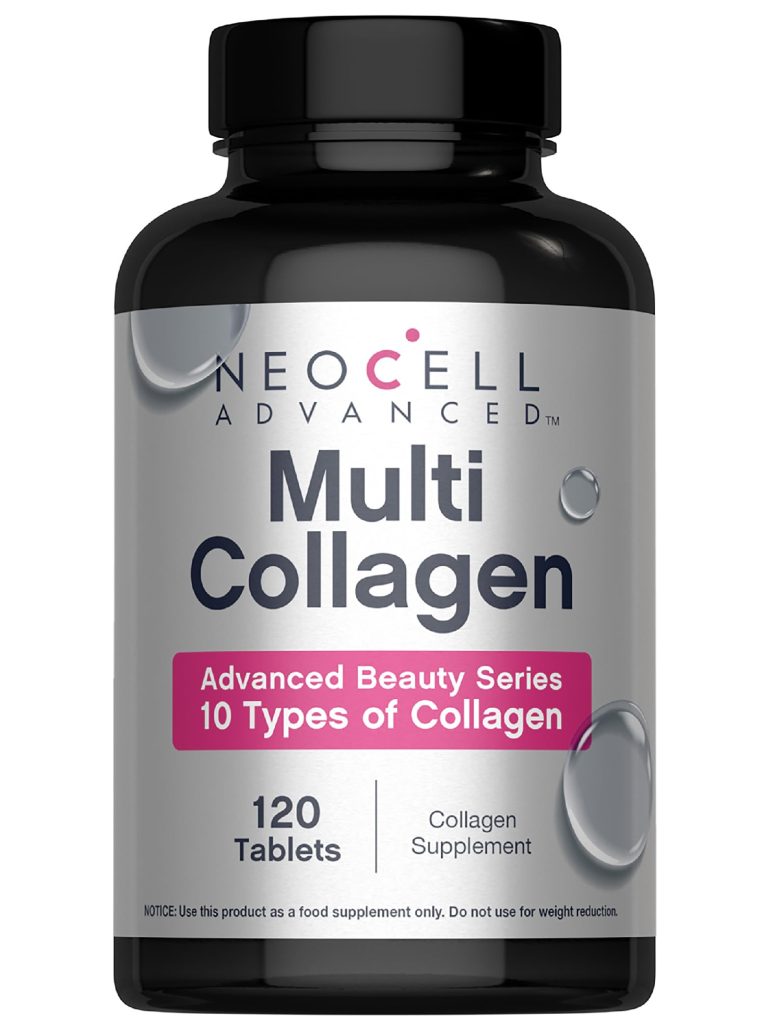
NeoCell Advanced Multi Collagen Peptides Tablets: A Practical Look at 10 Types of Collagen for Skin, Hair, and Nails
A retreat from the ordinary — every element has a purpose and a feeling.